
What You Need to Know About Virginia’s New Septic Inspection Law
If you're planning to buy or sell a home with a septic system in Virginia, there's an important change coming you need to know about. Beginning July 1, 2025, new legislation goes into effect that sets clear standards for how septic inspections are handled during real estate transactions.
Whether you’re a buyer wanting peace of mind—or a seller preparing to list—here’s what you need to know:
✅ Inspections Aren’t Required… But They Might Be Requested
The new law does not make septic inspections mandatory across the board. However, a buyer or their lender can request one as part of the contract.
If that happens, the inspection must be documented in writing and include:
-
A clear scope of work
-
The inspection cost
-
Tank pumping (unless declined in writing)
👷 Who’s Allowed to Perform Inspections?
Only licensed professionals—certified by Virginia’s Department of Professional and Occupational Regulation (DPOR)—can perform septic inspections related to a home sale.
🔍 No more rod probing. In the past, inspections could consist of a professional probing the yard with a rod and calling it a day. That’s no longer allowed under the new law.
🛠️ What’s Actually Inspected?
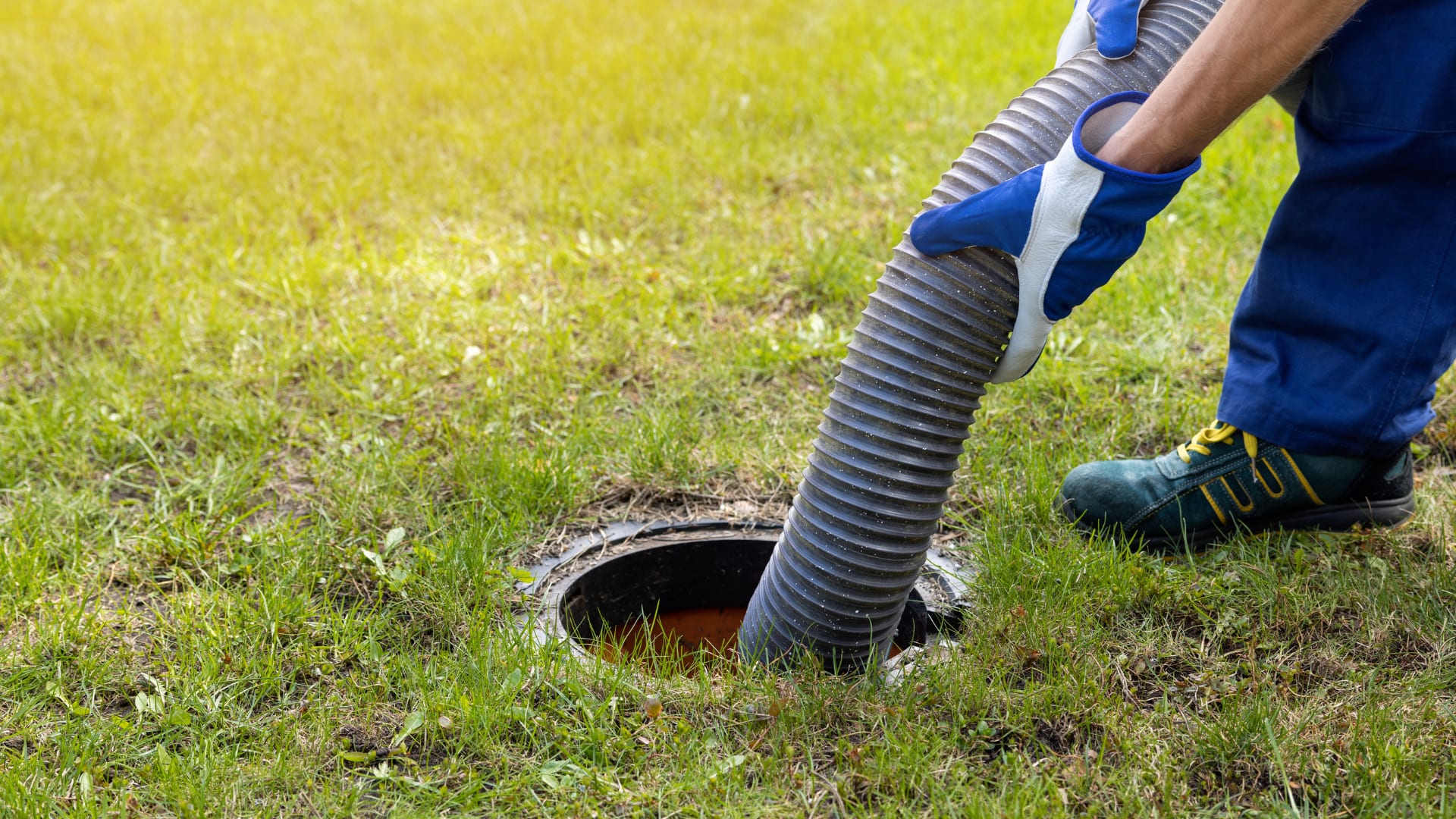
If a septic inspection is part of the sale, the inspector must evaluate all readily accessible parts of the system. That includes:
-
Septic and pump tanks
-
Distribution boxes
-
Drainfields or dispersal areas
-
Electrical/control panels
-
Treatment units (if applicable)
-
Surrounding grading and signs of water intrusion
Tank pumping is also required—unless the buyer or seller (whoever orders the inspection) declines it in writing.
📝 What the Report Must Include
After the inspection, the licensed professional must provide a written report within 10 business days. It will cover:
-
What was inspected
-
What couldn’t be inspected—and why
-
Any deficiencies or visible issues
-
No “pass/fail” results—just facts and observations
🟨 How This Is Different from Before
Previously, septic inspections could be done with minimal training or effort—sometimes just a visual glance or basic rod probing. There were no statewide rules about who could perform them or what had to be included.
Now, the process is standardized. Only licensed experts can do septic inspections tied to a home sale, and those inspections must follow strict guidelines to give both buyers and sellers peace of mind.
This change protects everyone involved by ensuring more thorough, transparent, and reliable evaluations of septic systems.
🏠 What Sellers Should Know
If you're getting ready to list your home:
-
Be prepared for buyers (or their lenders) to request a septic inspection.
-
Make sure you know whether your system has a valid operation permit and confirm the number of bedrooms it supports.
-
If you're unsure, we can help you find that information.
🔍 What Buyers Should Know
If you're buying a home with a septic system:
-
Ask whether the system has a current permit and when it was last inspected or pumped.
-
If you're requesting an inspection, make sure it follows the new guidelines and that you get a full written report.
-
A thorough inspection can prevent surprises and costly repairs down the line.
Questions? We’re Here to Help.
Whether you're thinking about selling or currently house-hunting, our team at Integrity Real Estate is ready to guide you through every step—including helping you navigate this new law with confidence.
📞 Reach out to us for guidance, referrals to licensed professionals, or to schedule a no-obligation conversation about buying or selling your home.